
After the Martyrdom of Jawad Al-Slayta.. Is It Time to Review Terrorism Penalties and Extremist Files in Prisons?
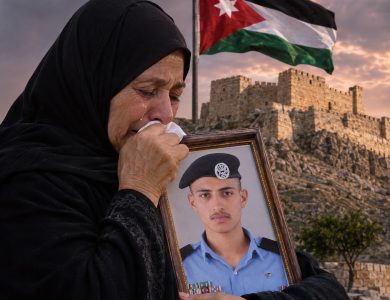
Al-Taj News – The incident of the martyrdom of Corporal Jawad Ali Khalaf Al-Slayta, following a terrorist attack with a sharp tool while performing his official duty in the capital Amman, has reopened the file of dealing with perpetrators of terrorist crimes and those involved in extremist ideology, amid calls to toughen penalties and review the procedures followed against this category, to ensure the protection of society and prevent the recurrence of such crimes.
The incident sparked a wave of questions about the adequacy of current penalties and procedures in dealing with holders of extremist ideology, and the necessity of re-evaluating the counter-terrorism system, not only at the level of security and judicial prosecution, but also inside correctional and rehabilitation centers.
Among the demands emerges the necessity of reviewing the files of those convicted in terrorism and extremism cases, examining their legal and intellectual status, and enhancing surveillance over them, in addition to verifying the effectiveness of rehabilitation and reform programs, and not allowing prisons to turn into environments for spreading extremist ideology or recruiting others.
Demands are also directed toward tightening penalties against anyone proven to be involved in terrorist acts targeting the lives and security of Jordanians, and dealing firmly with anyone who plans, incites, or participates in such crimes, in accordance with the provisions of the law, and in a manner that achieves deterrence and preserves the rights of victims and their families.
The questions do not stop at the limits of penalties, but extend to the necessity of reviewing preventive policies and procedures, evaluating mechanisms for monitoring extremism and dealing with indicators that might foreshadow the occurrence of terrorist acts, and enhancing coordination among relevant authorities, to prevent threats from reaching the Jordanian street.
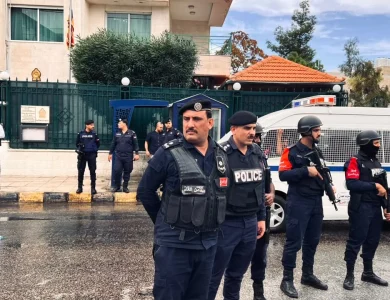
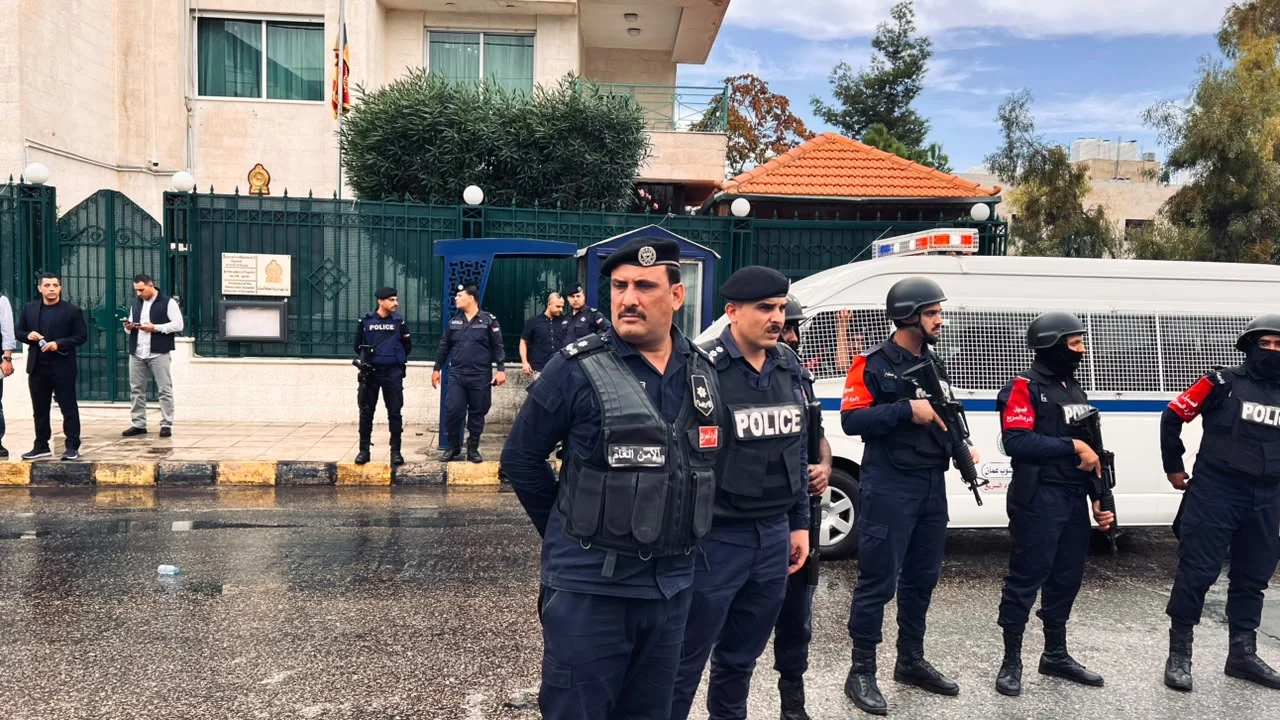
This comes at a time when the Public Prosecution of the State Security Court has commenced investigations into the terrorist attack that claimed the life of Corporal Al-Slayta, while investigations are still underway to uncover its circumstances and motives and take the necessary legal measures against those involved.
Between the grief and anger left by the crime, a question imposes itself: Does this incident necessitate a comprehensive review of the system for dealing with terrorism and extremism, from penalties to prisons, rehabilitation programs, and surveillance, to ensure that Jordanians do not pay again the price of extremist ideas that target their security and lives at any moment?